
The Psychological Costs of Gambling
Frequent visits to casinos can lead to significant psychological costs that many players overlook. The thrill of gambling can create an addictive cycle, where the initial excitement turns into a compulsion to win back losses or chase bigger wins. This cycle often leads to increased stress and anxiety, as individuals may find themselves unable to enjoy other aspects of their life due to constant thoughts about gambling, especially when they are engaging with platforms like charliessocialclub.com that offer enticing promotions. Such psychological strain can result in strained relationships with family and friends, who may grow concerned about the gambler’s well-being.
Moreover, the emotional highs and lows associated with gambling can affect mental health. For instance, a big win might bring temporary joy, but the inevitable losses amplify feelings of disappointment and frustration. This rollercoaster of emotions can lead to depression and a sense of isolation from loved ones. Many gamblers might not realize that the mental toll can be as significant as the financial losses they incur, creating a vicious cycle that is hard to break.
In addition to anxiety and depression, frequent gambling can alter one’s sense of reality. Gamblers may begin to develop unrealistic expectations about their chances of winning, fueled by the occasional big wins that skew their perspective. This misguided belief can lead them to continue playing in the hope of replicating success, further embedding the psychological costs of their actions. It’s crucial for individuals to recognize these risks to maintain their mental health as well as their social connections.
The Financial Implications Beyond Betting
While many people focus primarily on the money spent on betting, the financial implications of frequent casino visits extend well beyond the gambling itself. Consider expenses associated with travel, lodging, dining, and entertainment. Casino visits often entail significant costs that can accumulate quickly. For example, a night out at a casino might include transportation expenses, whether it’s fuel for your vehicle or public transit costs, alongside the inevitable temptations of dining in expensive restaurants or indulging in premium drinks.
Moreover, casual spending can escalate when one is in the casino environment. The allure of flashy advertisements, promotions, and loyalty programs can coax gamblers into spending more than they initially planned. Individuals might splurge on hotel stays, VIP access, or exclusive events, all in the hope of enhancing their gambling experience. This can create a false sense of affordability, leading to debts that accumulate before they realize the extent of their financial commitments.
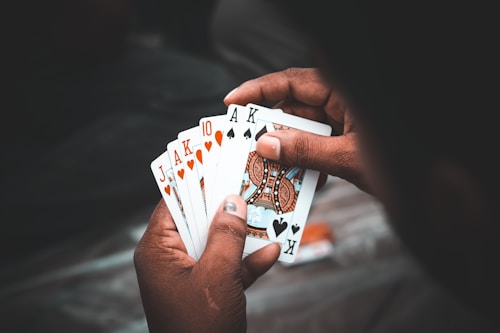
Additionally, frequent casino patrons may face the long-term impact of gambling on their financial health. Those who regularly incur losses might resort to borrowing money, leading to a cycle of debt that can spiral out of control. The psychological compulsion to chase losses can drive individuals to seek out loans or credit cards with high-interest rates, further compounding their financial woes. Understanding these financial implications is critical to making informed choices about gambling habits.
The Impact on Time and Lifestyle
The time spent in casinos is another hidden cost that often goes unnoticed. Regular gambling can consume hours or even days, resulting in lost opportunities for work, family time, and social activities. For many, a night at the casino can quickly turn into a weekend affair, detracting from responsibilities like job commitments or important family events. This skewed time allocation can create feelings of guilt and resentment towards oneself and others, further isolating the gambler.
Moreover, the lifestyle changes that accompany frequent gambling can lead to adverse consequences. As individuals prioritize casino visits, they may neglect their physical health, including regular exercise and a balanced diet. The late-night hours spent gambling can disturb normal sleep patterns, promoting fatigue and a lack of focus in day-to-day tasks. Such lifestyle changes can have ripple effects, potentially impacting work performance and interpersonal relationships.
Over time, this shift in lifestyle may become normalized, leading individuals to overlook how gambling is affecting their overall quality of life. As friends and family notice the shift, they might feel alienated, resulting in strained relationships that could further amplify the gambler’s isolation. Those who find themselves caught in this cycle must acknowledge how time, health, and relationships are compromised by their gambling habits.
The Risk of Legal and Social Consequences
Engaging in gambling frequently can lead to potential legal and social consequences, particularly when gambling behaviors escalate into addiction. Many individuals may not consider that excessive gambling can lead to illegal activities, such as borrowing money from loan sharks or committing fraud to fund their gambling habits. These actions can have severe legal ramifications, including criminal charges, fines, and even imprisonment, significantly affecting an individual’s life prospects.
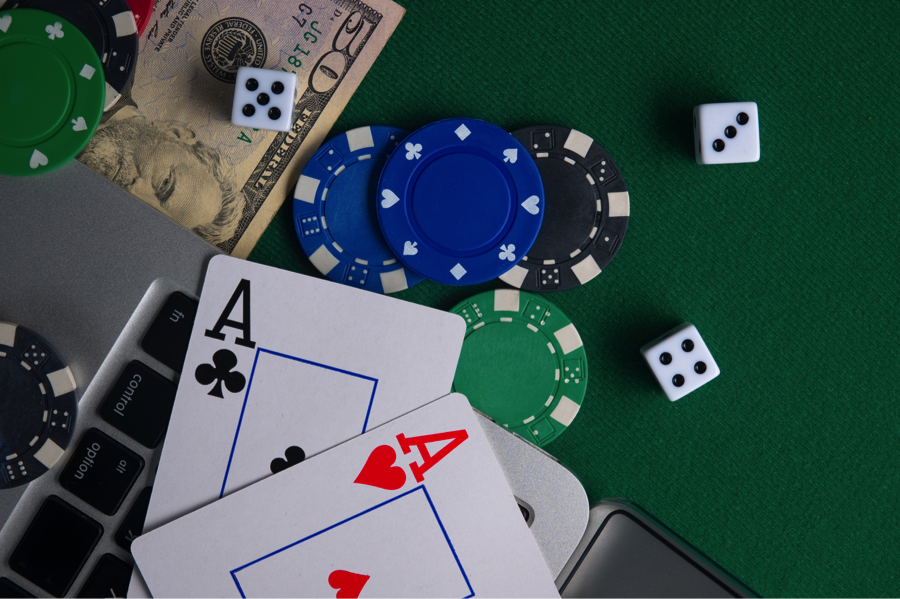
Moreover, the stigma attached to gambling can lead to social ostracism. Friends and family might distance themselves from individuals who have developed a gambling problem, contributing to feelings of shame and embarrassment. This social fallout can create a cycle of loneliness, further encouraging gambling as a means to escape reality. The inability to connect with loved ones can exacerbate mental health issues and lead to a downward spiral of addiction.
The potential for losing access to controlled gaming environments, such as casinos, due to legal issues or self-exclusions is also a concern. Some gamblers may find themselves banned from their favorite establishments or unable to participate in community events relating to gambling. This exclusion can create a loss of identity tied to their recreational activities, leading to further isolation and challenges in coping with their situation. Recognizing these risks is essential to mitigating the potential consequences of frequent gaming.
Your Future with Responsible Gambling
Understanding the hidden costs of frequent casino visits is essential for promoting responsible gambling behavior. Individuals who recognize these hidden aspects are better equipped to manage their gambling habits in a way that prioritizes their overall well-being. Strategies such as setting limits on both time and money spent at casinos can help individuals enjoy gaming as a form of entertainment rather than a source of distress.
Resources are available to support those who wish to take control of their gambling. Many organizations offer guidance, counseling, and support groups for individuals struggling with gambling addiction. Engaging with such resources can foster recovery and help individuals develop healthier coping strategies. The importance of education surrounding responsible gambling cannot be overstated, as awareness is the first step towards positive change.
Ultimately, everyone deserves a fulfilling life that is not overshadowed by the hidden costs associated with frequent casino visits. Maintaining a balance between leisure and responsibility is crucial for a healthy lifestyle. By prioritizing mental and financial well-being, individuals can enjoy gaming without succumbing to its negative impacts, fostering a sustainable relationship with their leisure activities.